5 Signs You or Your Child May Need Orthodontic Braces
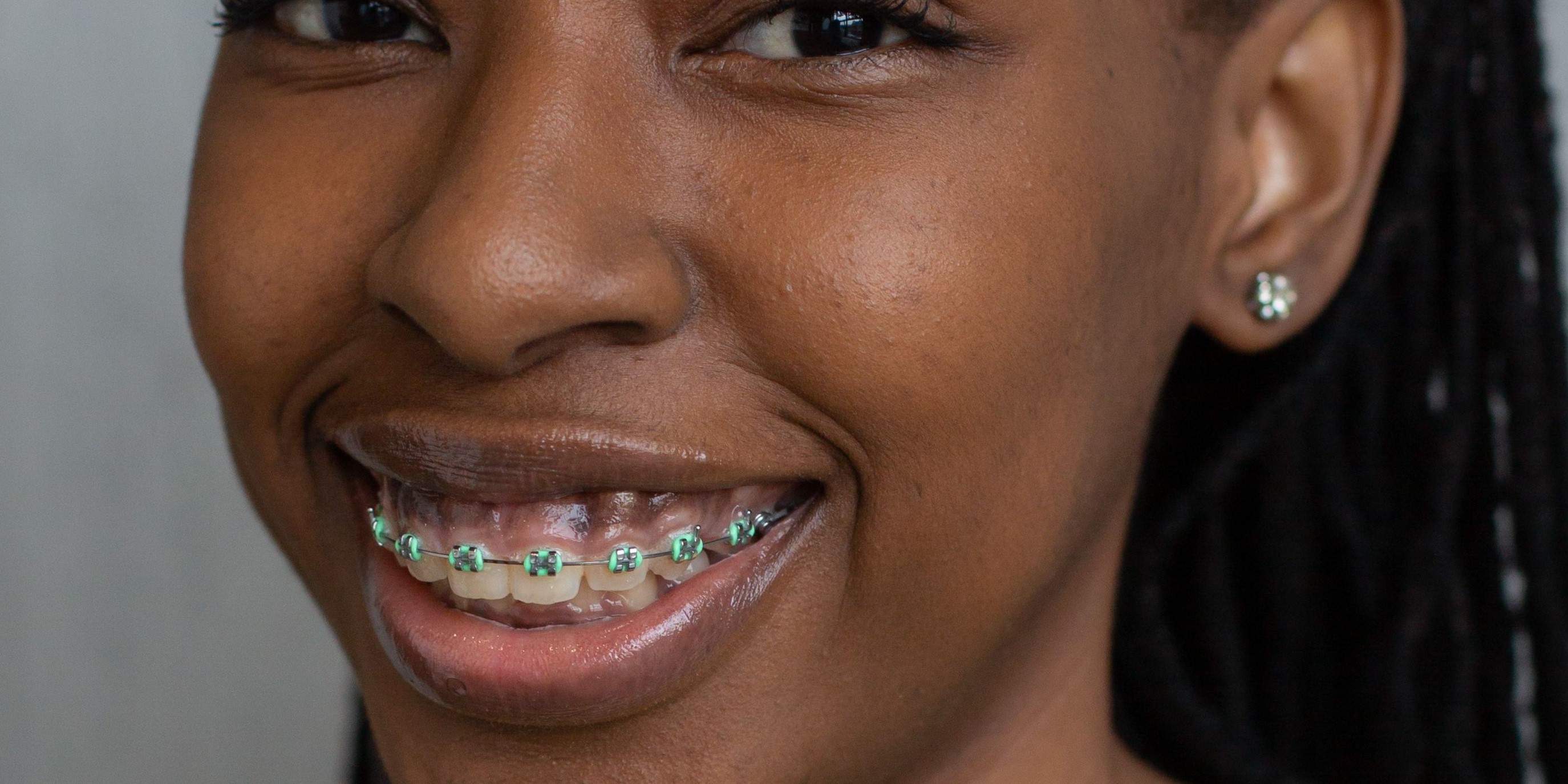
A balanced, properly aligned smile is about much more than aesthetic appeal. While straight teeth undeniably enhance personal self-confidence and professional presentation, proper orthodontic alignment is foundational to healthy chewing mechanics, jaw joint longevity, and lasting periodontal wellness.
At SmileSavvy Dental Clinic in Avondale, Harare, Dr. Colan Madede frequently evaluates children, teenagers, and adult patients who have lived with bite irregularities for years. Here are the five most prevalent indicators that it is time to schedule a formal orthodontic evaluation.
1 Visible Crowding and Overlapping Teeth
When there is insufficient room across the maxillary or mandibular dental arch, teeth are forced to rotate and overlap. Crowding creates tight, irregular interdental spaces where standard floss and toothbrushes cannot penetrate effectively, substantially accelerating plaque calcification, tartar accumulation, and early periodontal disease.
2 Pronounced Gaps and Spacing Irregularities
Diastema (excess spacing between teeth) leaves sensitive interdental gum tissue vulnerable to mechanical irritation and food impaction during chewing. Over time, teeth without solid contact points will continue to migrate unpredictably, leading to bite instability.
3 Bite Misalignments (Overbite, Underbite, or Crossbite)
When upper and lower dental arches fail to interlock harmoniously, chewing forces are disproportionately focused onto individual teeth rather than evenly dispersed. This leads to premature enamel attrition, chip fractures, and gum recession around overburdened teeth.
4 Frequent Accidental Cheek or Tongue Biting
Patients suffering from a posterior crossbite or severely rotated premolars frequently report painful accidental soft-tissue biting during eating or rapid speech. Correcting the arch width and individual tooth angles resolves this soft-tissue impingement.
5 Temporomandibular Joint (TMJ) Strain & Clicking
A malocclusion requires the jaw muscles to work in unnatural compensatory angles during speech and chewing. This chronic imbalance can lead to morning jaw fatigue, tension headaches, and popping or clicking within the TMJ joint.
Book an Orthodontic Assessment with Dr. Colan Madede
We offer personalized consultations with digital bite assessments, ceramic brackets, and clear alignment options.